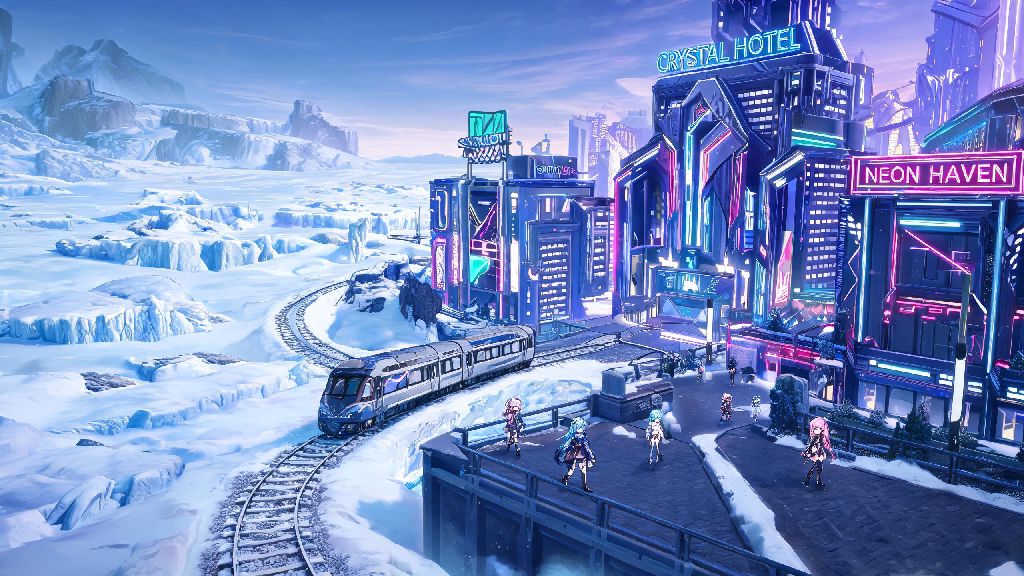
If you’ve ever played Genshin Impact or another popular HoYoverse title, you might boot up Honkai Star Rail for the first time expecting the same sprawling, seamless world you’re used to wandering. That’s probably why you’re asking does honkai star rail have open world gameplay that lets you roam for hours without hitting loading screens. I’ve logged over 320 hours across three HSR accounts since launch, cleared every available map from Jarilo-VI’s frozen wastelands to Penacony’s neon-lit hotel zones, so I can break down exactly how its exploration works, what makes it different from traditional open worlds, and whether its design fits what you’re looking for in a gacha RPG.
Does Honkai Star Rail Have Open World Gameplay, Exactly?
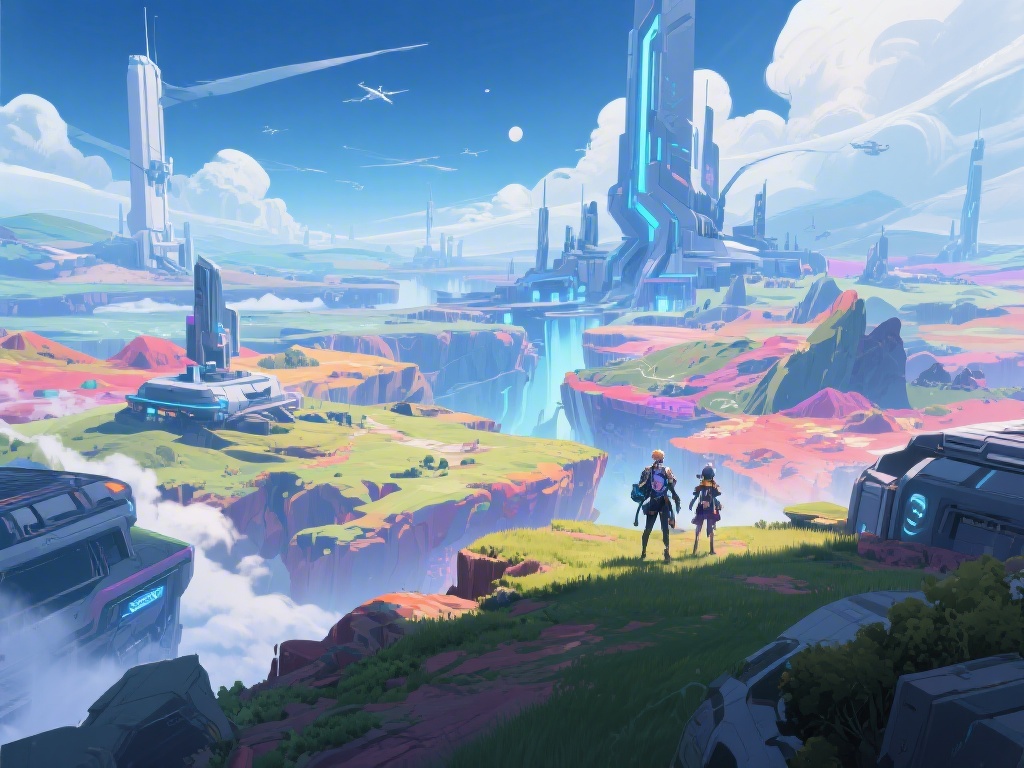
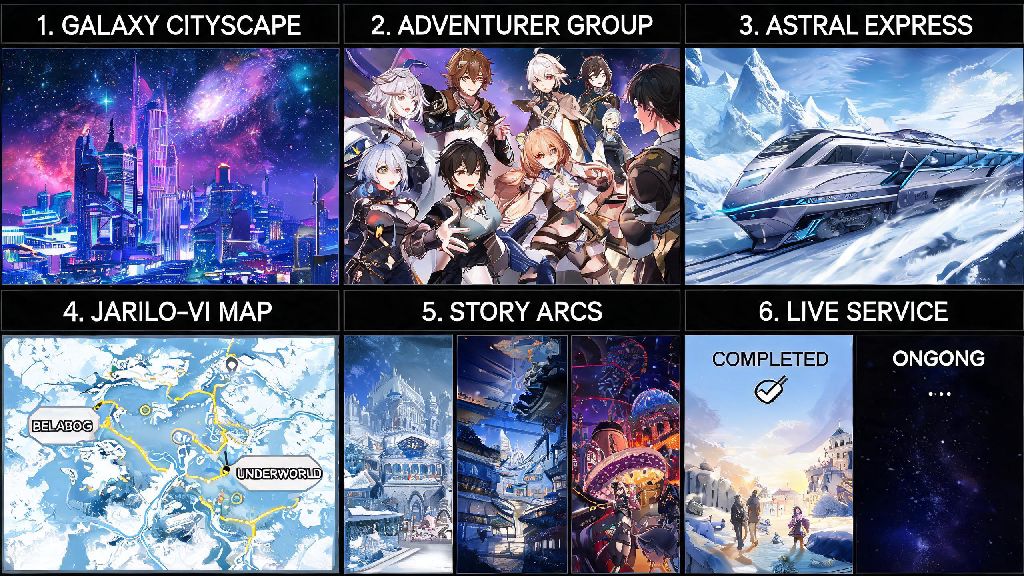
The short answer is no, not in the traditional sense most players mean when they talk about open world games. HoYoverse uses a term “open zone” to describe HSR’s map structure, which is a middle ground between linear level design and full open world roaming. Each planet you visit is split into several smaller, self-contained zones that you unlock as you progress through the main story, and you can’t travel between these zones without a short loading screen. I was caught off guard by this design when I first switched from Genshin to HSR, honestly. I tried to walk directly from Jarilo-VI’s Administrative District to the snow-covered Outlying Snow Plains, and hit a loading barrier before I even got to the edge of the town. It took me a few days to adjust to the smaller, more contained zones, but I quickly found that the design has a lot of perks I didn’t expect. You still get plenty of freedom to explore each individual zone, of course. You can hunt for hidden chests, solve environmental puzzles, stumble on unmarked side quests, and chase down rare Warp Trotters for premium rewards. It just doesn’t have the single, contiguous, loading-free map you’d find in games like Genshin Impact or The Legend of Zelda: Tears of the Kingdom.
Key Differences Between HSR’s Open Zones and Traditional Open Worlds
While you get a lot of the same exploration fun in HSR as you do in open world games, there are clear, intentional differences between the two design styles that shape how you play the game. These are the biggest gaps you’ll notice when you first start playing:
Perks of HSR’s Non-Open World Design
A lot of new players write off HSR when they learn it doesn’t have a full open world, but the open zone design has a lot of advantages that make it a better fit for many players. The first big perk is faster, more focused play sessions. If you only have 30 minutes to an hour a day to play, you can clear a whole section of a zone, get meaningful rewards, and finish your daily tasks without wasting half your play time on travel. I work a full time job, so I really appreciate that I don’t have to spend 15 minutes gliding across a huge map just to turn in a single quest. Another big plus is that you don’t need exploration-specific character builds to get the most out of the map. Unlike open world games where you need specific characters for gliding, climbing, or moving fast, every character in HSR works equally well for exploration. The only exploration bonuses are small perks like increased movement speed or a higher chance to find hidden chests, so you don’t have to waste resources leveling up a character just to make exploring easier. The smaller zone size also lets the devs add way more detail to each area. Because they don’t have to build huge, empty open spaces to fill out a large map, they can pack each zone with hidden Easter eggs, tiny character interactions, and emotional side quests you’d never find in a traditional open world. Penacony’s Dreamscape zones, for example, have dozens of tiny hidden nooks with short stories about the hotel’s guests that make the world feel way more lived-in than a lot of larger open world maps.
What to Expect From HSR Exploration If You’re a New Player
If you’re just starting HSR, the first thing you should do is adjust your expectations away from a traditional open world. You won’t be able to wander anywhere you want right off the bat, but that’s not a bad thing. Take your time exploring each zone as you unlock it, because the rewards are absolutely worth the effort. Hidden Warp Trotters and rare chests give you Stellar Jade that you can use to pull for limited 5-star characters, and you’ll also get tons of upgrade materials that make beating story bosses way easier. If you’re a completionist, you don’t have to 100% every zone right when you unlock it, either. You can always come back later to finish collecting chests or completing hidden side quests when you’re stuck on a story boss and need extra materials to level up your team. I usually leave 10 to 15 collectibles in each zone for later, so I have something easy to farm when I need a quick boost of Trailblaze EXP. You also shouldn’t wait for a full open world update down the line. HoYoverse has confirmed multiple times that they’re sticking with the open zone design for HSR, since it fits the turn-based combat and story-focused structure of the game. That doesn’t mean you won’t get tons of new areas to explore, though. The devs add at least one new zone every few version updates, so you’ll always have new places to check out. One last tip: Don’t use an interactive map for your first playthrough of a new zone. A lot of the hidden side quests have really fun, heartfelt stories that you’ll miss if you just follow a guide to every collectible. I made that mistake with the Xianzhou Luofu when it first launched, and I ended up replaying the whole zone a week later just to find all the little side stories I missed.
At the end of the day, asking does honkai star rail have open world gameplay is a fair question, especially if you’re coming to the game from another HoYoverse title. The short answer is no, but its open zone design offers a lot of the same fun exploration perks without the downsides of huge, empty open worlds that waste your time. If you’re a player who likes focused, reward-heavy exploration and turn-based combat, you’ll probably love HSR’s map design even more than a traditional open world. If you’re only looking for a game where you can wander for hours across a seamless map with no loading screens, HSR might not be the right fit for you. Either way, it’s worth trying out the first few zones to see if the design clicks for you, because a lot of players who think they only like open world games end up loving HSR’s more focused approach.