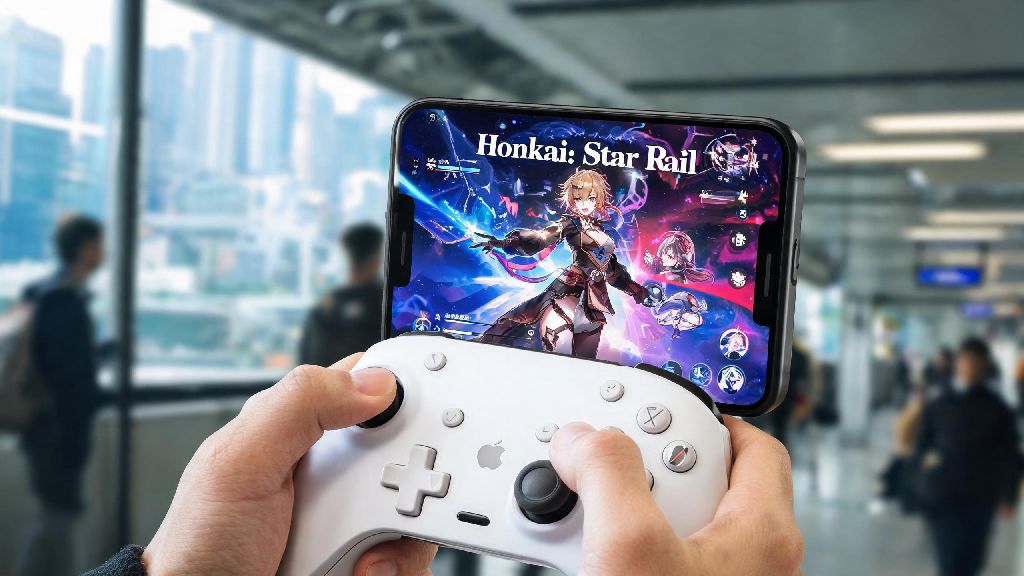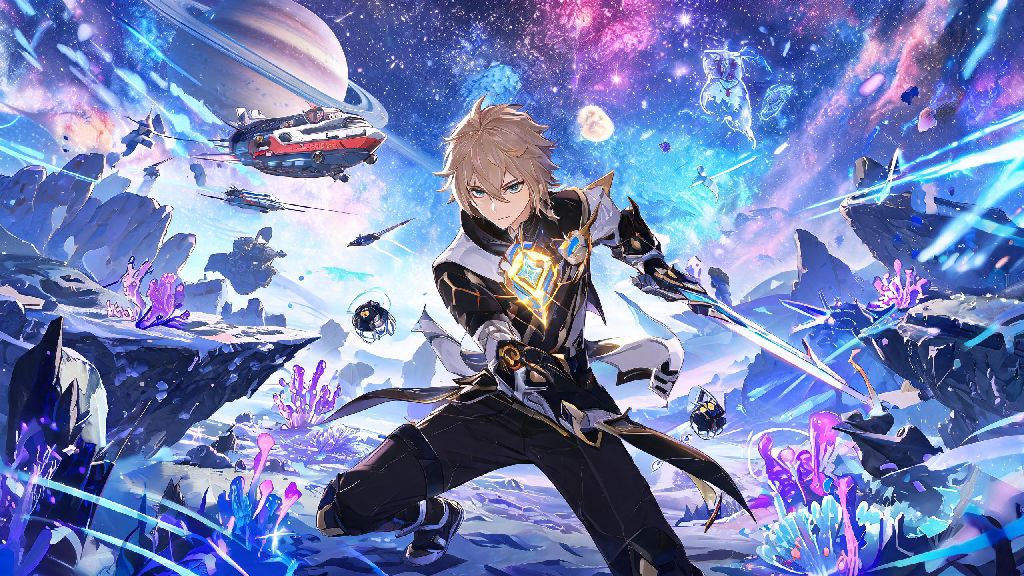
If you’ve scrolled social media or seen your friends post pulls for five-star characters like Kafka or Jing Yuan, you’ve probably wondered what all the Honkai Star Rail hype is about. As someone who’s logged over 300 hours in the game since launch, I can tell you it’s far more than just another gacha title to waste time on. If you’re completely new to the space, you might first ask how does honkai star rail work, and whether it’s worth picking up even if you don’t usually play turn-based games. This guide breaks down all the core systems you need to know, no confusing jargon or hidden paywalls to worry about before you download.
How Does Honkai Star Rail Work: Core Gameplay Basics at a Glance
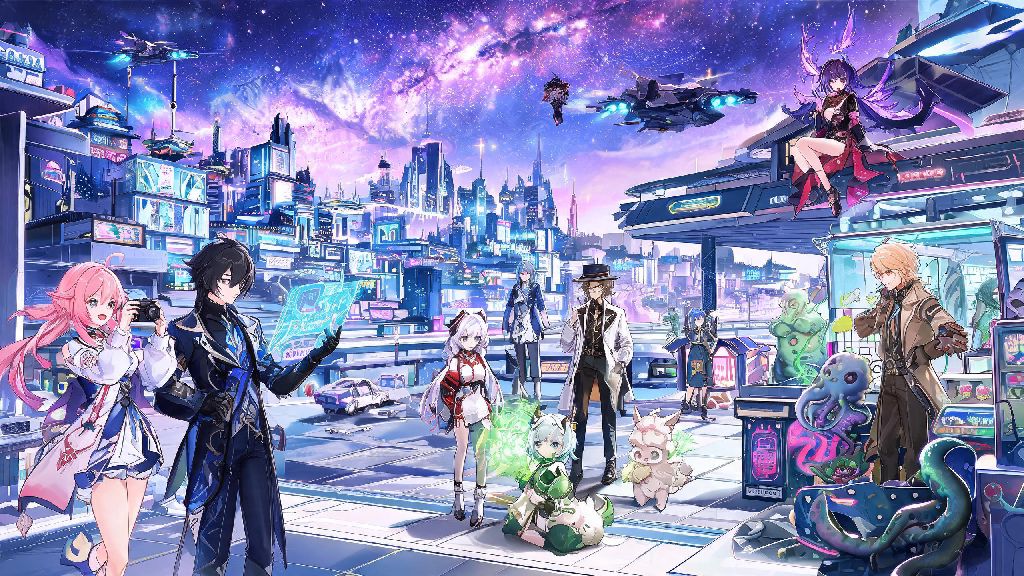
Developed by HoYoverse, the same studio behind Genshin Impact, Honkai Star Rail is a story-driven turn-based RPG set across a sprawling sci-fi galaxy. You play as the Trailblazer, a mysterious character with an ancient artifact called a Stellaron embedded in their body, who joins the crew of the Astral Express as they travel between planets to resolve Stellaron-related disasters. You don’t have to grind for hours exploring every inch of a map to progress, which is a big part of why so many casual players love how does Honkai Star Rail work.
Unlike open-world HoYoverse titles, Honkai Star Rail focuses on tight, story-driven progression and turn-based combat rather than endless open-world exploration. Each planet you visit has a linear main story path, with smaller side quests, explorable sandbox zones, and hidden chests scattered around for players who want to hunt for extra rewards. You can burn through the main story in 40 to 50 hours if you only focus on quests, or take your time to complete every side activity for extra pulls and upgrade materials.
If you’ve played other turn-based RPGs like Persona 5 or Final Fantasy X, you’ll pick up the core loop very quickly. Even if you’ve never touched a turn-based game before, the in-game tutorial walks you through every mechanic slowly, so you won’t feel overwhelmed in your first 10 hours of play.
Turn-Based Combat Mechanics: The Core of HSR’s Gameplay
Every fight in Honkai Star Rail follows a turn order system dictated by each character and enemy’s speed stat. The higher a unit’s speed, the more often they get to act during a fight. When it’s your character’s turn, you can choose to use a basic attack, a skill, or save your points for an ultimate ability that can be used at any point, even during an enemy’s turn.
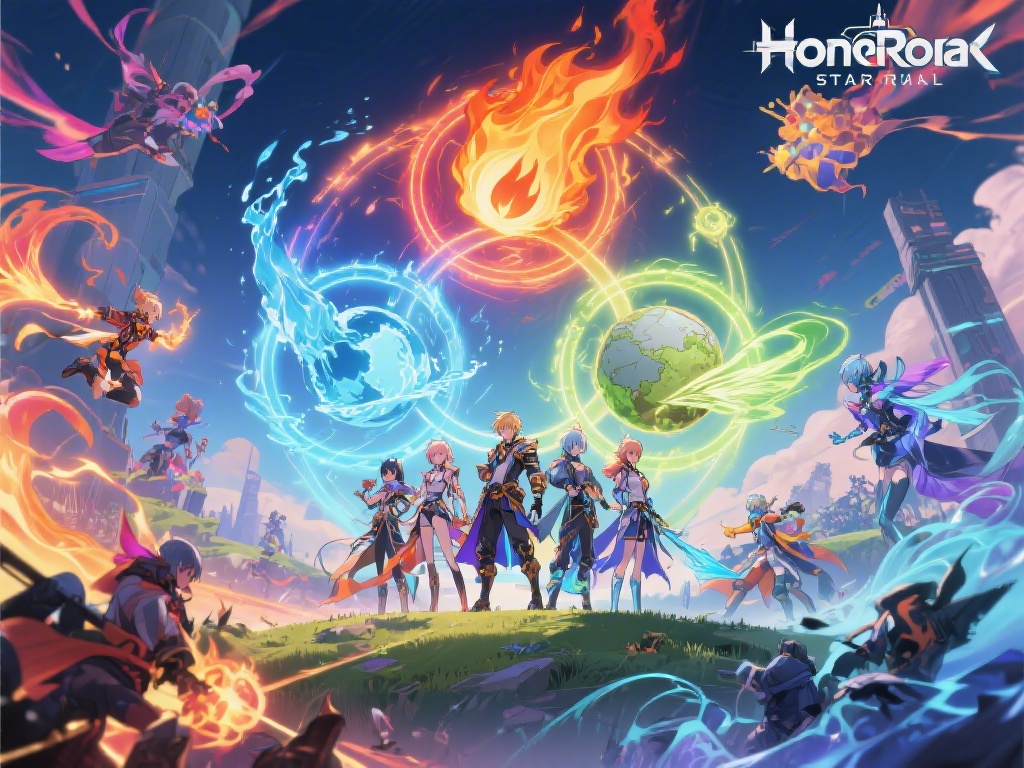
Speed is one of the most underrated stats for new players, as it dictates how often your characters get to act in a fight. A DPS character with 120 speed will get almost twice as many turns as a slow healer with 70 speed, so investing in speed rolls for your main damage dealers will make even hard fights feel trivial. You also need to pay attention to enemy weakness bars: every enemy has weaknesses to 2 or 3 specific elements, and hitting them with matching element attacks will break their toughness bar, stun them for a turn, and make them take extra damage for the rest of the stun period.
You only get a maximum of 5 skill points per fight, so you can’t spam high-damage abilities for every character turn. Basic attacks generate 1 skill point, while skills cost 1 skill point to use, so you have to balance between generating points with supports and using them on your main DPS. Once you get the hang of turn order and skill point management, you’ll already understand 80% of how does Honkai Star Rail work when it comes to combat. The only real downside for new players is that relic grinding can feel tedious if you’re chasing perfect stat rolls, but you don’t need perfect relics to clear 99% of the game’s content.
Progression, Gacha, and Character Building Systems
A lot of new players get overwhelmed by the gacha system first, but it’s actually one of the more generous parts of how does Honkai Star Rail work for free-to-play users. The game uses a pity system that guarantees you a 5-star character or weapon every 90 pulls for character banners, and every 80 pulls for weapon banners. You have a 50% chance that your first 5-star on a character banner is the featured rate-up unit, and if you lose that 50/50, your next 5-star is guaranteed to be the rate-up character. You can earn around 60 to 80 pulls per patch just by completing daily missions, events, and side content, so you can get every limited character you want without spending a dime if you plan your pulls carefully.
Once you pull a character, you’ll need to level them up, ascend them to unlock higher level caps, upgrade their light cone (their weapon), unlock their trace tree (their passive and active talents), and equip them with relics (their gear) to make them strong. Relics come with set bonuses that give extra stats when you equip 2 or 4 pieces of the same set, so you’ll want to match relic sets to each character’s role on your team. All characters fit into one of four core roles, and a balanced team will have at least one of each for most content:
You don’t need five-star characters to build a strong team. The game gives you a handful of powerful four-star characters for free early on, including a healer, a support, and two solid DPS units that can clear all current content when built correctly. Don’t feel pressured to pull for every new five-star that releases unless you really like their design or playstyle.
Endgame Content: What to Do Once You Finish the Main Story
Many players assume the game ends when you finish the main story, but that’s where a huge part of how does Honkai Star Rail work really opens up. Once you reach level 30 or higher, you’ll unlock a range of endgame content that refreshes weekly, giving you a steady supply of upgrade materials and pulls to power up your team. The most popular endgame modes include Simulated Universe, a roguelike mode where you pick random buffs as you progress through floors to beat bosses for rare relics, and Forgotten Hall, a floor-based challenge mode where you use two separate teams to clear each floor for star rewards.
All endgame content in Honkai Star Rail is PvE-only, so you never have to worry about competing against other players who spend thousands of dollars on pulls. There’s no ranked mode, no leaderboards, and no pressure to keep up with the meta unless you want to clear the highest difficulty endgame floors. The game also runs a new limited-time event every 6 weeks, which usually gives out free characters, pulls, cosmetic rewards, and upgrade materials just for completing short, casual challenges.
If you’re a casual player, you can log in for 15 minutes a day to complete your daily missions, then log out, and you’ll still progress at a steady pace. If you’re a more hardcore player, you can spend hours grinding for perfect relic rolls or trying out weird team comps for fun, and you’ll never run out of content to work towards. There’s no right or wrong way to play, which is one of the game’s biggest strengths.
At the end of the day, Honkai Star Rail is built to be accessible for both casual players who log 15 minutes a day to do dailies, and hardcore players who grind for perfect relic sets for hours. Once you understand how does honkai star rail work, you can tailor your playstyle to fit your schedule, no pressure to keep up with meta or spend money to have fun. If you’re still on the fence, try it out for a few hours: the first two planets of the main story are completely free to play through, and you’ll get a handful of free characters to build your first team before you even touch the gacha system.