If you’ve scrolled gaming forums or TikTok feeds in the last couple of years, you’ve probably seen clips of over-the-top character ultimates or meme-worthy story beats from Honkai Star Rail, and found yourself asking how good is Honkai Star Rail, really. I’ve put 420+ hours into the game since launch, playing both as a fully free-to-play user for the first 8 months and a low-spending monthly pass holder since, so I’ve seen every high and low the title has to offer. This breakdown skips the paid sponsorship hype and covers exactly what you can expect if you decide to download it, no biased takes to skew the facts.
How Good is Honkai Star Rail’s Core Gameplay for Casual and Hardcore Players?
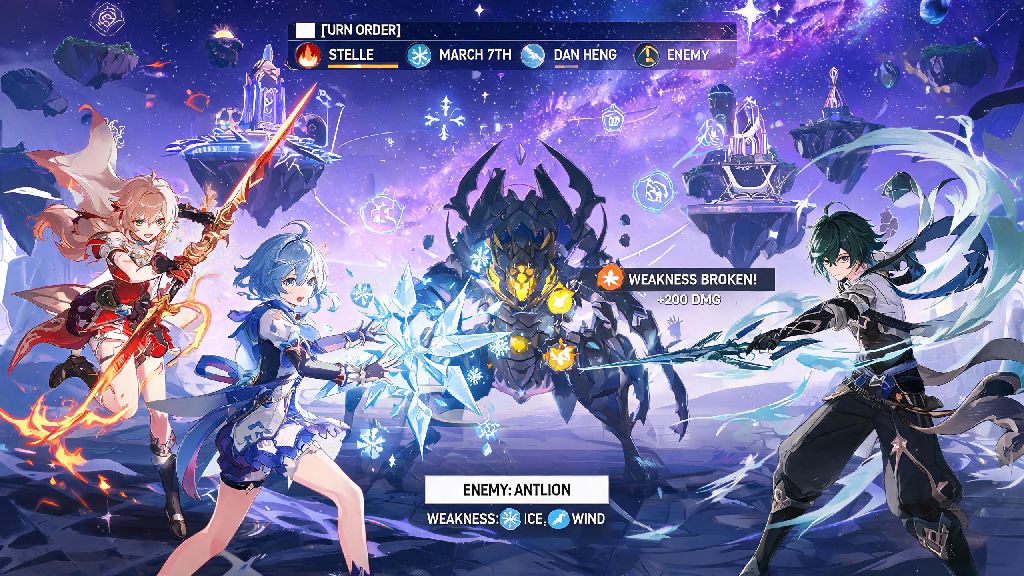
The game’s turn-based combat system is one of its biggest strengths, and it strikes a nearly perfect balance between accessibility and depth for all player types. Turn-based combat is accessible but not dumbed down, with mechanics like weakness breaking, elemental reaction bonuses, and speed tuning that reward thoughtful team building instead of just mindlessly tapping skills. You don’t have to be a tactical genius to play, but you will feel rewarded if you take the time to learn how different character kits work together.
Auto-battle works for 90% of open-world and story content, which is a huge win for casual players who only have 15 to 20 minutes a day to play. You can queue up your daily missions, hit auto, and clear them while you’re waiting for coffee or commuting to work without having to focus intensely. For hardcore players, there’s plenty of room to optimize builds and team compositions to clear high-difficulty endgame content, so it never feels like there’s nothing to work toward.
One small downside is that new players can feel overwhelmed by the number of mechanics thrown at them in the first 10 hours. The game does a decent job of walking you through basics, but more advanced mechanics like speed tuning and effect hit rate stacking are never fully explained, so you’ll have to look up quick guides if you want to get the most out of your units. That’s a minor gripe though, and most players won’t need those skills until they reach endgame anyway.
Gacha Fairness and Monetization: What You Actually Get Without Spending
Honkai Star Rail’s gacha system is far more user-friendly than most other gacha titles on the market, and you can access 100% of the core story and open-world content without spending a single cent. The 50/50 pity system for limited 5-star characters means you have a 50% chance to get the featured limited character when you hit pity at 90 pulls, and if you lose the 50/50, your next 5-star is guaranteed to be the featured one. Most players hit soft pity around 75 to 80 pulls anyway, so you rarely have to hit the full 90 pull hard pity to get a 5-star.
Free-to-play players can earn a consistent number of pulls every version, without having to grind for endless hours. A standard 6-week version gives most free players between 60 and 70 pulls just from regular gameplay:
No pay-to-win power spikes are locked behind high spend tiers, which is another huge plus. Even the most expensive paid packs only give you extra pulls, not exclusive power items that make free players uncompetitive. The only paid content that doesn’t affect gameplay at all are character skins, which are completely optional to buy. The main downside of the monetization system is the weapon (light cone) banner, which has a much less forgiving pity system and is generally not worth pulling on for free-to-play or low-spending players. Stick to character banners, and you’ll be fine.
Story, Character Writing, and Worldbuilding Quality
Where Honkai Star Rail really stands out from other gacha games is its writing and worldbuilding, which is consistently high quality across all main story arcs and character companion quests. Each new planet you visit has a distinct vibe, from the frozen, post-apocalyptic streets of Jarilo-VI to the cyber-xianxia floating ships of the Luofu, and each has its own set of conflicts and characters that feel fully realized, not just throwaway plot devices.
Every limited 5-star character has a fully voice-acted companion quest that dives into their backstory and personality, so you actually get attached to the units you pull for, instead of just seeing them as stat sticks. Even 4-star characters get small side arcs and regular appearances in event stories, so no character feels like an afterthought. The writing also balances serious emotional beats with goofy, meme-worthy dialogue perfectly, and you often have the option to pick absurdly funny dialogue choices as the main character that make the story feel a lot more personal.
That said, not all event stories are created equal. Some smaller filler events have pretty generic, forgettable plots that feel like they were thrown together to pad out the version schedule. The main story arcs and limited character events are almost always great, but don’t be surprised if you skip through some of the smaller event dialogue to get to the rewards faster.
Endgame Content: Does It Stay Fun After You Finish the Main Story?
The endgame content loop is where most gacha games fall apart, but Honkai Star Rail has built a solid enough rotation of content to keep most players engaged long after they finish the main story. The Simulated Universe, a roguelike game mode where you pick random buffs to clear different worlds, is easily the most addicting part of the endgame. You can build all sorts of silly, overpowered builds that you’d never get to use in regular combat, and it’s fun to experiment with different characters and buff combinations even if you don’t care about getting the highest rewards.
There are also multiple rotating endgame challenge modes that give premium currency rewards every two weeks, including Memory of Chaos (a two-team abyss mode that tests your team building skills) and Pure Fiction (a mode that rewards high AoE or single-target damage output). Endgame content rotates every two weeks to keep rewards fresh, so you never feel like you’re grinding the same exact stage over and over for no reason.
The only real downside to the endgame is that it can feel sparse for hardcore players who play multiple hours a day. If you blast through all the version content in the first week of an update, you’ll probably have nothing left to do but clear 10 minutes of dailies for the rest of the 6-week version. For casual players who only play a few times a week, though, there’s more than enough content to keep you busy without feeling overwhelming.
At the end of the day, how good is Honkai Star Rail depends almost entirely on what you want out of a game. If you like turn-based combat, fun character writing, and a gacha system that doesn’t force you to spend hundreds of dollars to enjoy all core content, it’s one of the best options on the market right now. If you prefer fast-paced action games or hate any sort of daily grind, you’ll probably get bored after a few weeks. For most casual and mid-core gacha fans, it’s absolutely worth giving a try – you don’t even have to spend a dime to get dozens of hours of fun out of it.