If you’ve spent even a few hours playing Honkai Star Rail, you’ve definitely heard passing mentions of Aeons in dialogue, light cone descriptions, or even loading screen tips. These god-like, cosmic entities form the backbone of the game’s entire world, from the paths your playable characters follow to the massive interstellar conflicts that drive the main story. If you’re wondering how many aeons are there in Honkai Star Rail, this guide breaks down the official canon count, key lore context, and practical ways Aeons impact your daily gameplay.
How Many Aeons Are There in Honkai Star Rail: Confirmed Canon Count
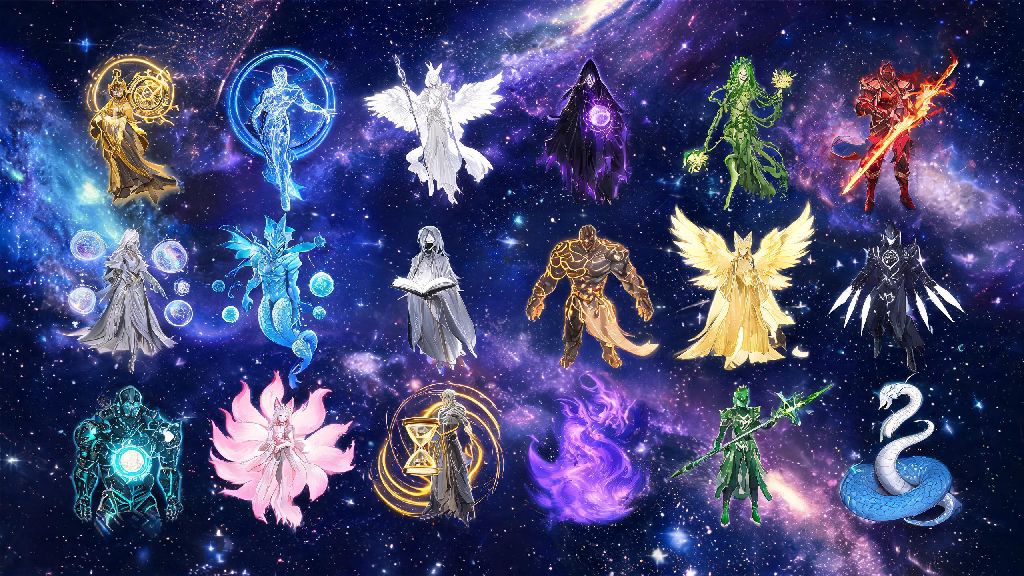
As of the latest official lore drops and in-game content updates, there are 18 total confirmed Aeons in Honkai Star Rail’s canon. This count only includes Aeons that have been explicitly named or referenced by HoYoverse through in-game text, official trailers, or developer interviews, so it excludes unconfirmed fan theories or leaked content that hasn’t made it to the live game. Some of these Aeons are still active and exerting influence across the galaxy, while others have been destroyed in cosmic conflicts, or have vanished without a trace. Note that all counts higher than 18 circulating online right now are based on unsubstantiated leaks or fan headcanons, so they shouldn’t be treated as official.
You might be surprised to see that Akivili, the Aeon of Trailblaze and patron of the Astral Express, falls into the deceased category. They were killed long before the events of the game, but their legacy lives on through the Trailblazers and the Express crew as they travel across the galaxy. Some of the most recognizable Aeons you’ll encounter early on include Qlipoth of Preservation, Nanook of Destruction, and IX of Nihility.
What Do Aeons Mean for Your Daily Honkai Star Rail Gameplay?
Aeons aren’t just random lore fluff for deep cut fans to dig into. They have a very real, tangible impact on almost every part of the game’s core gameplay loop, from team building to endgame content runs. Every playable character in Honkai Star Rail follows a path that is ruled by one of these Aeons, and their powers are directly drawn from that Aeon’s domain. Understanding each Aeon’s core alignment can help you build stronger teams and pick optimal light cones for your characters without wasting resources.
For example, if you’re running a Preservation main tank like Gepard or Fu Xuan, you’ll get the highest stat boosts from light cones that align with Qlipoth’s focus on protection and endurance. Off-path light cones will still work, but you’ll miss out on the extra passive bonuses that come with matching the Aeon’s path. Aeons also play a central role in the Simulated Universe, one of the game’s most popular endgame modes. You’ll earn blessings directly from different Aeons during your runs, and picking blessings that align with your team’s path composition will make clearing even the highest difficulty levels far easier.
Even story choices can sometimes tie back to Aeon alignments, though these impacts are usually small and mostly for flavor right now. That might change in future updates, so it’s worth paying attention to the paths associated with different dialogue options if you want to roleplay a specific type of Trailblazer.
Key Aeon Lore Facts You Might Have Missed During Playthrough
Most players pick up the basics about Aeons as they play through the main story, but there are a lot of small, easy to miss details hidden in item descriptions and side quest dialogue that add a lot of depth to these cosmic entities. For example, Aeons don’t think or act like mortal beings, and they aren’t bound by regular ideas of good or evil. They are singularly focused on advancing the core ideal of their path, regardless of the cost to mortal life or civilizations. Hostility between different Aeons is the driving force behind almost every major story conflict you’ll encounter across different worlds.
Take the Xianzhou Luofu arc for example. The entire conflict stems from Lan, the Aeon of Hunt, waging a neverending war against Yaoshi, the Aeon of Abundance. Lan hates Yaoshi because their gift of immortality led to the suffering of the Xianzhou people thousands of years prior, and they have spent eons chasing Yaoshi across the galaxy to destroy all of their spawn. Even the main overarching conflict of the game, the Antimatter Legion attacking planets across the galaxy, is just Nanook of Destruction working to advance their path of erasing all existence from the Imaginary Tree.
There are also a lot of smaller, fun lore details scattered around. For example, the Aeon of Elation, Aha, is known for playing pranks on mortals and other Aeons alike, and they once disguised themselves as a nameless crew member of the Astral Express just to mess with the crew for a few months.
Common Honkai Star Rail Aeon Misconceptions Debunked
With how much scattered lore there is about Aeons, it’s no surprise that there are a ton of common misconceptions floating around the community. One of the most popular ones is that the Trailblazer is going to eventually become the new Aeon of Trailblaze, replacing the deceased Akivili. While the Trailblazer has absorbed fragments of Aeon power from both Destruction and Preservation, there is no official confirmation that they will ever ascend to full Aeon status. That’s just a popular fan theory for now, even if it does feel like a natural story beat.
Another common misconception is that all Aeons are either purely good or purely evil. As we mentioned earlier, Aeons don’t operate on mortal morality. Yaoshi the Aeon of Abundance doesn’t give out immortality to cause suffering, they do it because their entire existence is tied to spreading life and healing, no matter the unintended side effects. Lan the Aeon of Hunt isn’t a hero for fighting Yaoshi, they’re just singularly focused on eliminating their sworn enemy, regardless of how many bystanders get hurt in the crossfire. You don’t need to memorize every Aeon’s lore to enjoy the game, but knowing the basics makes story beats feel far more impactful.
Many new players also assume that all 18 confirmed Aeons will eventually become playable characters, but that’s almost certainly not going to happen. Aeons are on a power scale far beyond even the strongest playable characters, and HoYoverse has repeatedly stated that they have no plans to make Aeons playable. You might get to interact with them in story content, but you won’t be adding them to your roster any time soon. Always cross-reference any Aeon lore you see on social media with official in-game sources to avoid falling for misinformation.
If you came into this guide wondering how many aeons are there in Honkai Star Rail, you now have the official canon count plus all the context you need to understand their role in both lore and gameplay. I’ve spent dozens of hours digging through light cone descriptions, side quest dialogue, and official developer interviews to put this guide together, so you don’t have to waste time sorting through conflicting fan theories and unconfirmed leaks. As HoYoverse releases new story updates and expands the Honkai Star Rail universe, we’ll likely see more Aeons added to the official count, so keep an eye out for new lore drops as you travel the galaxy with the Astral Express crew.