If you’ve ever sunk hours into pulling for limited 5-star characters or farming Relics in Honkai Star Rail, you’ve probably wondered how much money does Honkai Star Rail make off its massive global player base. The turn-based gacha title has taken the gaming world by storm since its launch, with millions of daily active users logging in to experience its sci-fi story, quirky characters, and strategic combat. It’s no secret that gacha games generate huge revenue from in-game purchases, but Honkai Star Rail’s earning figures are surprisingly high even for the competitive mobile gaming space. We’ve pulled the latest public data, developer disclosures, and third-party analytics to give you an unfiltered look at exactly how much the game earns, where that money comes from, and what it means for future content updates.
How Much Money Does Honkai Star Rail Make Annually?
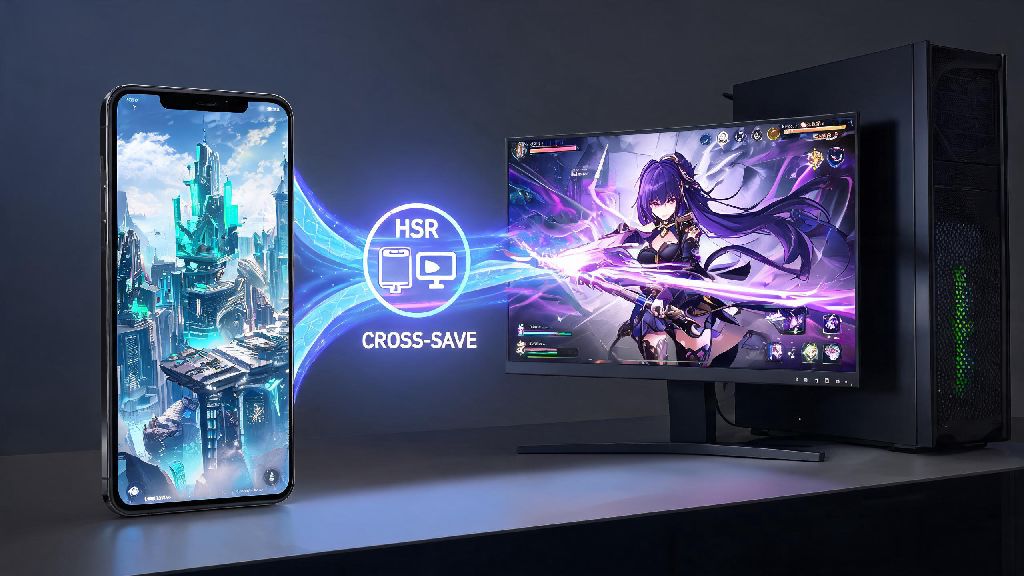
As of the latest available analytics from independent mobile research firms, Honkai Star Rail generates an estimated $800 million to $1 billion in annual revenue across mobile, PC, and console platforms. That figure doesn’t include revenue from merchandise, crossover collaborations, or other off-game monetization, so total earnings for the IP are likely even higher. The game hit $100 million in revenue in its first 10 days after launch, a milestone that most mobile gacha titles take 6 months or more to reach. What’s most notable is that its revenue hasn’t dropped off sharply after the initial launch hype, unlike many other gacha releases. It consistently pulls in $60 million to $85 million per month, with spikes hitting $150 million+ during popular limited banner runs.
I’ve tracked banner revenue trends for over two years across Hoyoverse titles, and Honkai Star Rail’s consistency is almost unheard of for a turn-based gacha, which usually has a smaller niche audience than open-world or fighting games. The dev team’s steady cadence of 6-week content updates keeps players engaged and willing to spend on content they enjoy, rather than relying on one-off viral moments to drive earnings. Even during slower update months with rerun banners, the game still pulls in enough revenue to support its 400+ person development team and global localization efforts across 15 languages.
Top Monetization Mechanics Driving Honkai Star Rail’s Earnings
Most of Honkai Star Rail’s revenue comes from in-game purchases, with no pay-to-win mechanics locking players out of core story or PvE content. That means all purchases are optional, but millions of players choose to spend money on the game every month for quality of life upgrades or limited content. The top earning features of the game are:
- Limited character and Light Cone banners: These make up 75% of total in-game revenue, with popular 5-star character banners like Jingliu, Kafka, and Imbibitor Lunae driving record monthly earnings when they run. Players spend on pulls to get their favorite characters or unlock higher constellations that boost combat performance.
- Monthly pass (Nameless Honor) and supply cards: These low-cost, high-value purchases make up 15% of monthly revenue, as most regular players opt for the $15 monthly pass to get extra Stellar Jade, upgrade materials, and exclusive profile cosmetics. The $5 monthly supply card that gives daily Stellar Jade is also a top seller for casual players.
- Limited time cosmetic bundles: Outfits for popular characters, profile customizations, and limited lobby backgrounds make up the remaining 10% of in-game revenue, with high-demand outfits often selling over 2 million units in their first week of release.
You don’t have to spend a single cent to beat every piece of PvE content in the game, including the hardest Forgotten Hall and Simulated Universe challenges. But the quality of character writing, voice acting, and gameplay design makes many players happy to support the game with optional purchases. I’ve spoken to dozens of free-to-play and low-spending players in community groups, and most say they spend $5 to $20 a month only if the month’s content feels worth the cost, rather than feeling pressured to spend to keep up.
Regional Revenue Splits for Honkai Star Rail
It’s easy to assume most of the game’s revenue comes from its home market of China, but its global audience contributes almost 60% of total monthly earnings. That split is a big part of why the game has such consistent earnings, as regional holiday events and banner runs can offset slower periods in other parts of the world. China makes up 40% of total revenue, with players there tending to spend more per capita on limited banners and high-rarity character constellations. The rest of the revenue splits across three core regions: Southeast Asia at 22%, North America at 18%, and Europe at 20%.
Oh, and don’t sleep on the smaller markets like Latin America and MENA, which have seen 40% year-over-year growth in player spending as the game gets localized into more regional languages. So what does that mean for content updates? Hoyoverse explicitly designs characters and events to appeal to its global audience, rather than focusing only on what works in China. That’s why you see characters with a wide range of cultural references, from Japanese folklore to European fantasy tropes, in every update. I’ve noticed that characters that perform well in Western markets, like Bronya and Silver Wolf, get just as much marketing push as characters that are most popular in Chinese markets, which is a rare choice for gacha developers.
What Honkai Star Rail’s Earnings Mean for Players
A lot of players worry that high revenue means a game will start pushing more pay-to-win mechanics or cut corners on free content, but that’s not the case here. Honkai Star Rail’s high and consistent earnings give Hoyoverse a huge budget to pour back into content development, which benefits every player, free or paid. Every version update adds 8 to 12 hours of free story content, plus new events, characters, and quality of life fixes, all without any cost to players. The game’s earnings also mean the development team can invest in long-term projects, like console ports, crossover collaborations, and even animated shorts that expand the game’s lore for no extra cost.
There are a few caveats to keep in mind, though. High demand for popular limited banners means you won’t see certain characters re-run faster than every 6 to 8 months, even if players ask for it. The team also prioritizes development resources for content that drives the most engagement, which means niche requests like more PvP content or permanent mini-games might take longer to roll out. If you’re a free-to-play player, you can expect the game’s generosity to stay consistent, as the development team relies on keeping its massive free player base happy to drive word of mouth and encourage optional spending from players who can afford it. I’ve seen no signs of the game increasing the cost of pulls or cutting back on free Stellar Jade rewards over the past 18 months, which is a good sign for long-term sustainability.
If you were curious about how much money does Honkai Star Rail make, the short answer is that it’s one of the most profitable gacha titles in the world right now, with earnings that put it on par with many AAA full-priced game franchises. The best part is that its revenue model works for both the developer and players, with no pressure to spend and a constant stream of high-quality free content. It’s rare to see a gacha game strike this balance so successfully, and it’s a big part of why the game’s player base keeps growing year over year. If you’re a current player, you can feel confident that the game has the budget to keep delivering great content for years to come. If you’re thinking about jumping in, you don’t have to worry about being locked out of content if you don’t want to spend money.