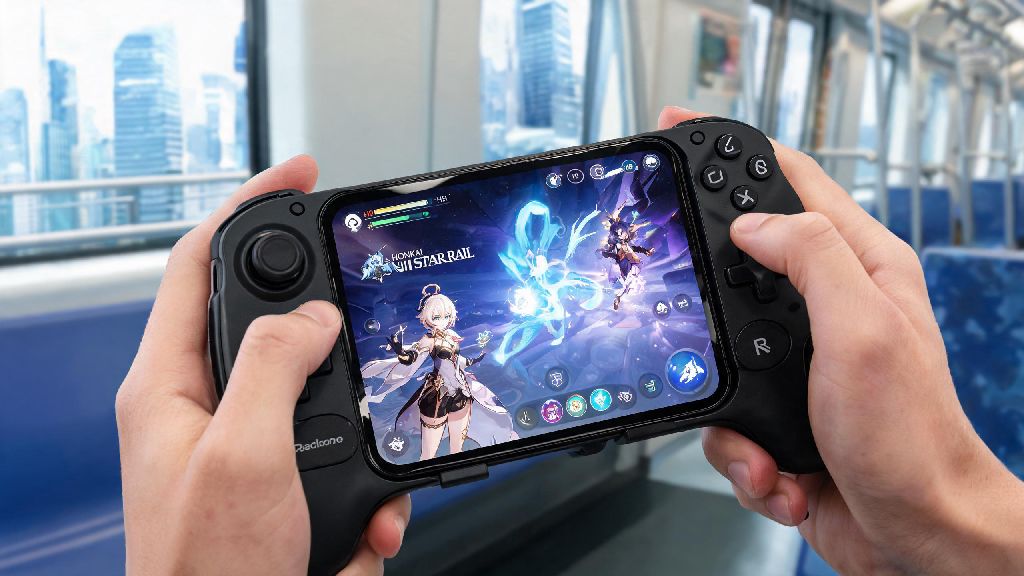
If you’ve ever pulled a shiny new limited 5-star character only to feel underwhelmed by their performance, the problem probably isn’t the character itself. Most Honkai: Star Rail players struggle with team comps early on, since the game’s elemental and path systems add layers of complexity you won’t find in most other gacha RPGs. Even if you have a stacked roster of high-rarity units, a poorly matched team will make even mid-game content feel like a slog. This guide breaks down everything you need to know about how to build teams in Honkai: Star Rail, whether you’re a new player still working through the main story or a veteran looking to clear the latest endgame stages.
Core Role Rules You Must Follow When Learning How to Build Teams in Honkai: Star Rail
Every successful team comp is built around four core roles, though you don’t always need one of each for every type of content. Most standard comps will include at least three of these roles, and skipping sustain entirely almost always backfires unless you’re running a very specific buffed setup for Simulated Universe. These roles work together to cover gaps in damage, survival, and utility so you can clear stages without wasting turns reviving units or restarting runs.
- Main DPS: The core damage dealer of your team, built to deal most of your damage during combat. Prioritize units with high single-target or AoE damage scaling depending on the content you’re running.
- Sub-DPS: Fills in damage gaps while your main DPS is on skill cooldown or waiting for energy to use their ultimate. Many sub-DPS also apply elemental debuffs to boost your main DPS’s output.
- Support: Buffs your team’s damage, reduces enemy defense, or applies useful debuffs like slow or freeze. Supports don’t need high damage stats, just enough energy recharge to use their buffs consistently.
- Sustain: Keeps your team alive through heals, shields, or damage mitigation. You only need one sustain unit for most content, though you may run two for very high-difficulty endgame stages.
A lot of new players make the mistake of running four DPS units because they think more damage equals faster clears, but you’ll end up wasting turns reviving units or restarting stages far more often than you would if you just added a healer or shielder. For example, if you’re running a hypercarry Jing Yuan, you don’t need a sub-DPS if you have two supports that buff his lightning damage and speed, but you still need a sustain unit to keep him alive while he stacks his Lord of Lightning stacks. You don’t need to rigidly follow this role structure for every comp, but it’s a reliable starting point if you’re new to team building.
How to Prioritize Element and Path Synergy for Cohesive Comps
Role matching is only half the battle. The other core part of HSR’s combat system revolves around element weaknesses and path bonuses, and ignoring these will make even perfectly role-matched teams underperform. Weakness breaking is the single most impactful mechanic in the game, so it should always be your top priority when putting a team together. Broken enemies take 10% more damage, lose their turn if they haven’t acted yet, and can’t use their strongest attacks for several turns.
Your team should always cover at least two of the common weaknesses in the content you’re running. If you’re pushing through the Xianzhou Luofu story, for example, most enemies are weak to wind, lightning, or imaginary, so running at least two of those elements will make every stage go much faster. Weakness break efficiency is often overlooked, but units that can apply multiple stacks of their element per skill will let you break enemy toughness bars far faster, which cuts down on stage time by a huge margin.
Path synergy is less important than element matching, but it can give you huge bonuses if you plan around it. For example, running two Nihility units with an Erudition main DPS lets you stack multiple debuffs on groups of enemies, making your AoE damage hit far harder than it would otherwise. I used to run three fire units for a stage full of ice-weak enemies, and kept wiping because I didn’t have a single unit that could break ice weaknesses. Once I swapped one DPS for a March 7th (who deals ice damage and gives shields), I cleared the stage on my first try. That’s how big of a difference element matching makes.
Beginner-Friendly Team Builds That Work With Almost Any Roster
You don’t need a roster full of limited 5-stars to clear 90% of the game’s content. The starter roster most players get within the first hour of play is far stronger than many people give it credit for, and it can carry you through all of the main story and most early event content with minimal investment. The best part about these comps is that they’re fully modular, so you can swap units out as you pull new characters without rebuilding your entire playstyle from scratch.
The standard starter comp uses Preservation Trailblazer as your sustain, Dan Heng as your main wind DPS, March 7th as a sub-sustain and ice damage dealer, and Asta as a support that buffs speed and fire damage. This comp covers three common elements, has both shields and damage buffs, and works for almost all early and mid-game story content. If you pull other units, you can swap parts of this comp out easily: replace Dan Heng with Seele if you pull her, swap Asta for Tingyun for higher single-target buffs, or swap Preservation Trailblazer for Natasha if you prefer heals over shields.
F2P-friendly team comps don’t need any limited 5-stars to work, and I’ve seen plenty of players clear the latest Memory of Chaos stages with only 4-star units. The key is to build your units properly, not just collect high-rarity characters. Always keep an eye out for 4-star replacement options for meta 5-star units: Natasha is a perfectly viable replacement for Luocha for all but the hardest endgame stages, and Tingyun can buff most single-target DPS just as well as many limited 5-star supports.
Adjusting Your Team Comp for Specific Content Types
Different content types have very different team requirements, so you shouldn’t use the same comp for everything. A team that works perfectly for story stages may fall flat in Memory of Chaos, and a comp built for Simulated Universe won’t always work for limited-time event challenges. Adjusting your team to fit the content you’re running is the easiest way to cut down on clear times and reduce frustrating restarts.
For Memory of Chaos team splits, you need two separate teams to clear each stage, so you should split your strongest DPS and sustain units evenly between the two teams. Don’t put all your best units on one team, because you’ll end up struggling to clear the second half of the stage. If you only have one strong sustain unit, run a shielder on one team and a healer on the other to spread out your survival utility.
For Simulated Universe, you can get away with running fewer sustain units if you pick path buffs that give you shields or heals. For example, if you’re running the Path of the Hunt, you get buffs that heal you every time you kill an enemy, so you can run three DPS and one support instead of bringing a dedicated healer. For limited-time event stages, always check if there are trial characters available first. Many events give you fully built limited 5-stars to use for the duration of the event, and you can build your entire team around those trial units to get the highest score possible. Don’t waste time trying to use your own roster if the trial character is perfectly suited for the event’s challenges. For world bosses, you’ll want to run a team that covers the boss’s weakness and has enough sustain to survive the boss’s big one-shot attacks.
At the end of the day, you don’t need a full roster of limited 5-stars to clear every piece of content Honkai: Star Rail has to offer. The best comps are the ones that fit your playstyle and use the units you already enjoy playing, even if they aren’t considered “meta” by the wider community. Take time to test different combinations, adjust based on the content you’re tackling, and don’t be afraid to swap units out if something isn’t working. Once you get the hang of how to build teams in Honkai: Star Rail, you’ll be crushing even the hardest endgame stages with ease.