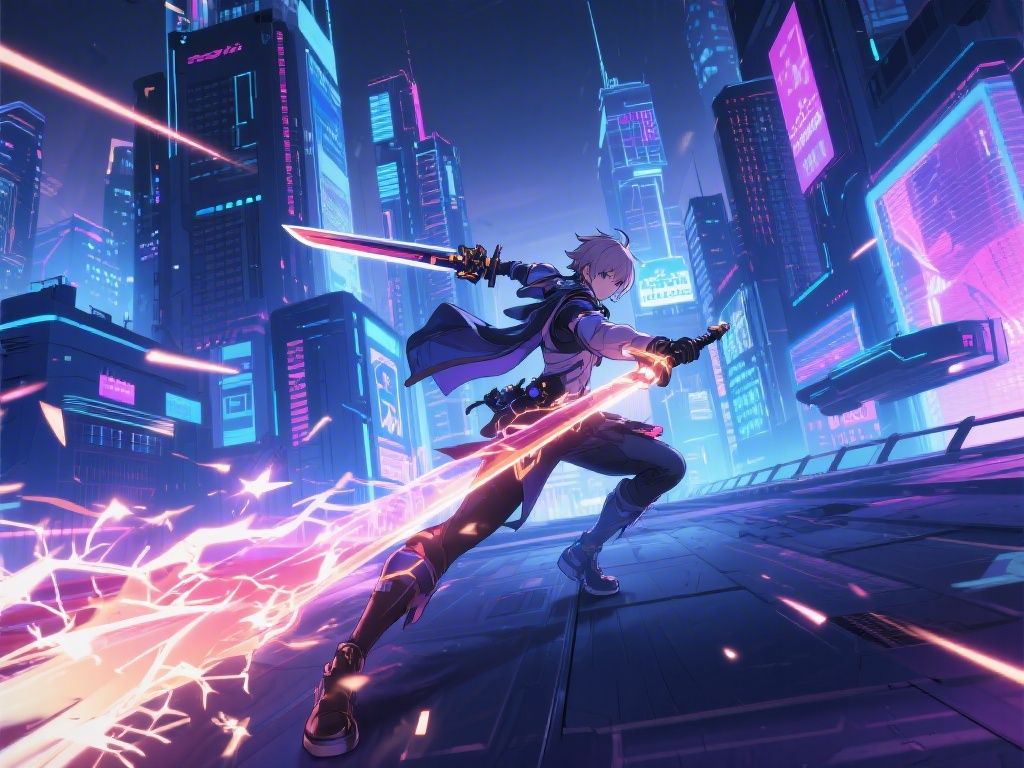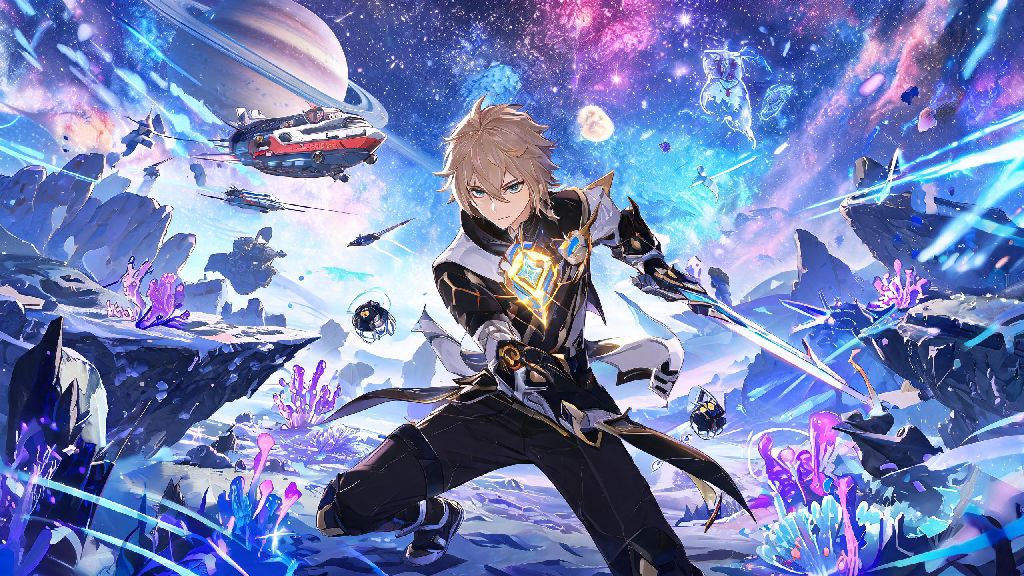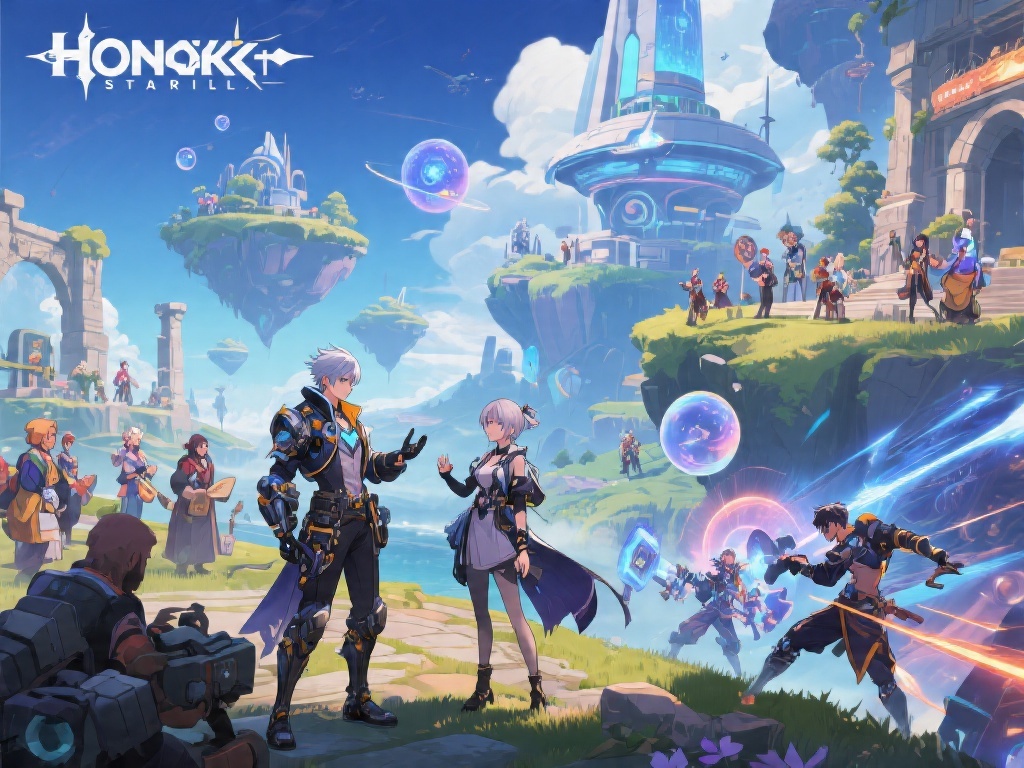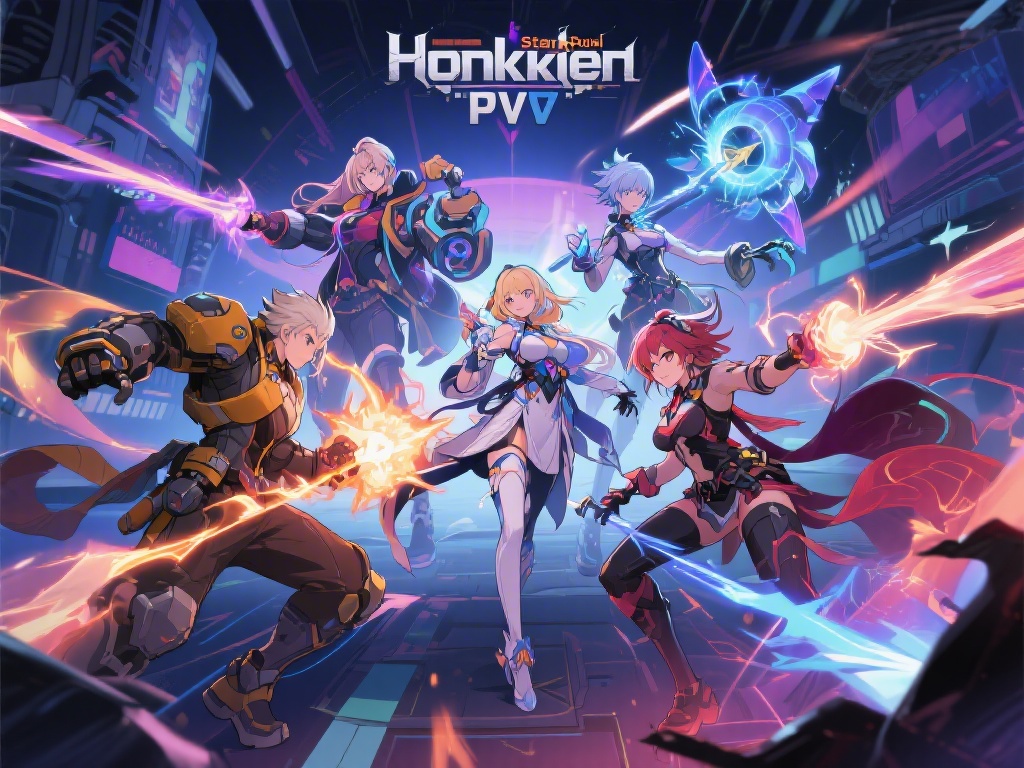
If you’ve spent any time scrolling HoYoverse fan forums or comparing cutscenes across the studio’s hit games, you’ve probably wondered how is star rail connected to honkai impact at some point. Plenty of players spot familiar character designs, shared plot beats, and offhand references to events from Honkai Impact 3rd when playing Star Rail, but it’s not always clear if those are just fun easter eggs or actual canonical links. I’ve spent over 100 hours playing both titles and digging into developer interviews to separate fan theories from confirmed facts, so you don’t have to wade through hundreds of Reddit threads to get clear answers.
How Is Star Rail Connected to Honkai Impact Through the HoYoverse Multiverse?
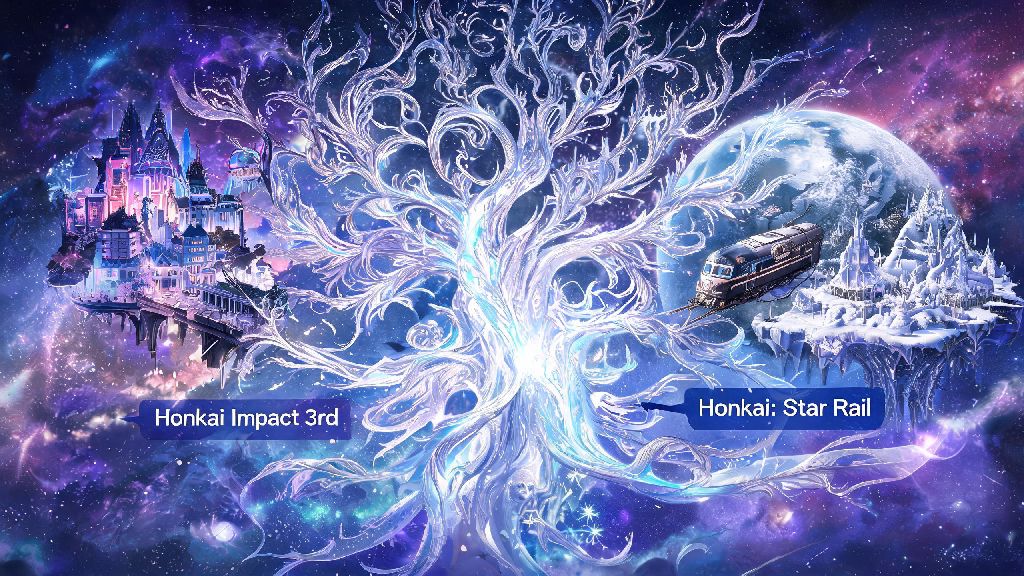
The core link between both games starts with the Imaginary Tree, a canonical lore concept first introduced in Honkai Impact 3rd that acts as the backbone of all HoYoverse game worlds. The Imaginary Tree is framed as a cosmic structure where every branch is a separate, self-contained world with its own rules, inhabitants, and timeline. Worlds can be destroyed if they fall off the tree into the Quantum Sea, a chaotic void that exists between separate realities. This shared framework is the most direct answer to how is star rail connected to honkai impact, as it confirms that both titles exist in the same official canon, not just as separate games with similar character designs.
The Imaginary Tree lore first introduced in Honkai Impact 3rd acts as the foundational canon for every HoYoverse title, including Star Rail, Genshin Impact, and Zenless Zone Zero. Unlike Genshin Impact, which has only loose, indirect references to Honkai lore, Star Rail is explicitly positioned as part of the Honkai franchise, so its ties to Honkai Impact 3rd are far more intentional and direct. The Honkai, a universe-spanning corruptive force that acts as the main antagonist of Honkai Impact 3rd, also exists across all worlds in the Imaginary Tree, so it appears in different forms in Star Rail’s various planets too.
It’s worth noting that HoYoverse has intentionally kept the multiverse rules flexible enough that they don’t force players to engage with all their games to follow individual storylines. You won’t hit a random plot hole in Star Rail just because you haven’t played through seven years of Honkai Impact 3rd content, since all relevant shared lore is explained in context for new players.
Recurring Characters That Link Both Franchises
One of the most obvious links between the two games is the large number of shared character designs and core personalities, often called “expys” by the fanbase. Some of these are just fun nods for long-time fans, but others have actual canonical ties to Honkai Impact 3rd’s story. These shared character roots are another big part of how is star rail connected to honkai impact, even if the characters themselves are separate people from different world branches.
Welt Yang is the only confirmed canonical character that directly crosses over from Honkai Impact 3rd to Star Rail, with his full backstory intact. Welt was a core protagonist in Honkai Impact 3rd, the former Herrscher of Reason who spent decades protecting his home world from Honkai attacks. At the end of one of Honkai Impact 3rd’s major story arcs, he left his home world to travel across the multiverse, which is how he ends up on the Astral Express in Star Rail. His backstory is referenced multiple times in Star Rail’s main story and character side quests, so long-time Honkai fans will catch plenty of nods to his past.
Most other shared characters are alternate versions of the same core person from different world branches, with separate backstories and life experiences. Some of the most notable shared character variants include:
You don’t need to know the Honkai Impact 3rd versions of these characters to understand their roles in Star Rail, but long-time fans will appreciate the small, intentional parallels the writers have added between their different versions across worlds.
Shared Game Mechanics & Franchise Staples
The links between the two games aren’t just limited to lore and character designs either. Many core gameplay systems and design choices carry over directly from Honkai Impact 3rd to Star Rail, which makes the transition between the two games extremely smooth for existing Honkai fans.
The core mechanics of Honkai energy, elemental damage types, and even character combat roles carry over directly from Honkai Impact 3rd to Star Rail. The elemental weakness system in Star Rail, where you break enemy shields by hitting them with their specific weak element, is almost identical to the system used in Honkai Impact 3rd’s later story chapters. The way you upgrade characters, level up light cones (Star Rail’s equivalent of Honkai Impact 3rd’s stigmata and weapons), and unlock talent paths also follows the same core structure as the older game. I remember when I first started playing Star Rail, I didn’t even have to read the basic combat tutorial because the system felt so familiar from my years playing Honkai Impact 3rd.
Even small quality of life features and UI design choices carry over between the two games. The menu layout for character profiles, the gacha pull animation structure, and even the way event rewards are organized will feel instantly familiar to anyone who has played Honkai Impact 3rd. The devs have said in multiple interviews that they kept these shared mechanics on purpose to make long-time Honkai fans feel at home when trying Star Rail, while still designing the game to be accessible for brand new players who have never touched a Honkai title before.
Of course, there are plenty of differences too. Star Rail is turn-based while Honkai Impact 3rd is a fast-paced action game, so the actual moment-to-moment gameplay feels very different. But the core systems running under the hood are clearly built from the same foundation, which is another subtle link between the two titles.
Common Myths About The Franchise Connection Debunked
With so many fan theories floating around online, it’s easy to run into misinformation about the links between the two games. I’ve seen dozens of false claims get shared as fact on social media, so let’s clear up the most common misconceptions.
Star Rail is not a direct sequel to Honkai Impact 3rd, so you do not need to play Honkai Impact 3rd to understand the full story of Star Rail. This is one of the most pervasive myths online, but it’s completely untrue. The only carryover story thread is Welt’s personal arc, and all relevant context about his past is explained in Star Rail’s side content for new players. The main plot of Star Rail follows completely original characters in completely original worlds, so you won’t miss any critical context if you’ve never played Honkai Impact 3rd.
Another common myth is that all shared character variants are the same person with the same memories. That’s not the case either. The alternate versions of Bronya, Himeko, Seele, and other characters are separate people who lived completely different lives in their own worlds. They share core personality traits and design elements, but they have no memory of their counterparts in Honkai Impact 3rd’s world. None of the cross-game references in Star Rail will lock new players out of understanding main story beats, as all relevant context is explained in-game for people who haven’t played Honkai Impact 3rd.
There’s also a common myth that the Honkai threat in Star Rail is exactly the same as the one in Honkai Impact 3rd. In reality, the Honkai adapts to the specific rules of each world it appears in, so it looks and acts very different on Star Rail’s planets like Jarilo-VI than it did on Honkai Impact 3rd’s Earth. The core force is the same, but its form and threat level vary wildly between worlds.
At the end of the day, the answer to how is star rail connected to honkai impact boils down to a shared multiverse canon, intentional character variants, and core franchise staples that tie both games together without making either dependent on the other. If you're a long-time Honkai Impact 3rd fan, you'll get plenty of fun nods and references that make playing Star Rail feel like a love letter to the franchise you already love. If you started with Star Rail first, you don't have to go back and play 7 years worth of Honkai Impact 3rd content to enjoy the story, but you might find it fun to check out if you love the world and characters. Either way, the shared canon gives HoYoverse plenty of room to add more cross-over content in future updates, so keep an eye out for new links as both games continue to expand.